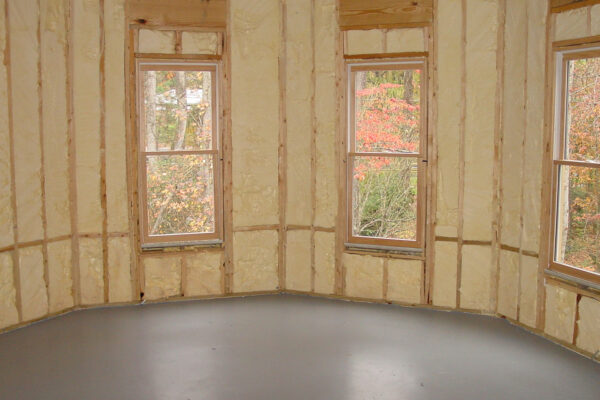
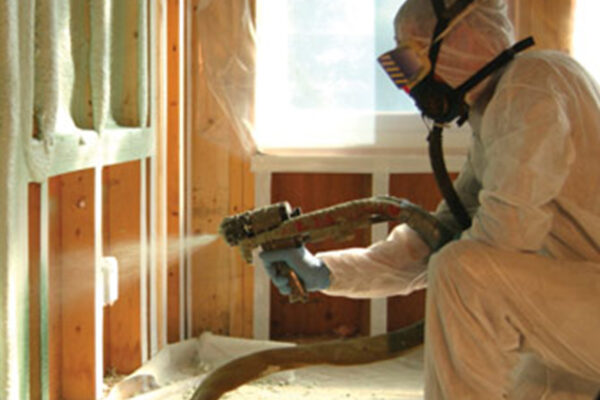
The responsibilities of and need for spray polyurethane foam (SPF) weatherization contractors have grown alongside the value that homeowners and others place on energy efficiency. Professional weatherization contractors specialize in the installation of a particular kind of SPF called low-pressure, two-component foam. It is the type of foam most often sold in kits. These contractors can also install another type of product, insulating foam sealant, sometimes called one component foam (OCF) or “foam in a can.” (Weatherization contractors perform a function different than their other SPF contractors, who use high-pressure, two-component SPF systems.)
Weatherization contractors are in a position to talk about the benefits of SPF and answer customer questions. They also have a responsibility to stay informed about the safe use and handling of SPF products.
Why Use SPF Insulation?
SPF insulation has grown in popularity because it is good at keeping homes warm in winter and cool in summer. Because it is sprayed directly into the gaps, cracks, and other surfaces that contribute to heat loss, it both insulates and air seals, offering one of the easiest and most effective ways of weatherizing existing homes and new construction. Among other benefits, it can help save on energy needs, reduce heating and air conditioning equipment size, and reduce drafts and noise. These and other benefits have probably been something that you have been asked to describe to customers.
Installing Low-Pressure SPF Insulation
As part of the polyurethanes industry’s ongoing commitment to product stewardship, the Center for the Polyurethanes Industry (CPI) prepared the video below called Working Safely with Low-Pressure Spray Polyurethane Foam Insulation for professionals who apply low-pressure spray polyurethane foam. This provides general guidance for professionals on how to apply low-pressure spray polyurethane foam. It is intended as a supplement to other job safety information already available, such as specialized training, Safety Data Sheets (SDS), product label information, and other materials.
Low-pressure SPF and Energy Efficiency
Government incentives, along with public interest, have put a spotlight on reducing energy usage. It also has helped fuel growth in the “green jobs” segment of the economy. As the home weatherization and green building industries respond to growing demand, SPF insulation continues to gain popularity for its ease of use and ability to help reduce energy needs and improve indoor comfort. In addition, reduced energy use to heat and cool a home helps reduce greenhouse gas emissions.
There are usually holes, gaps, and cracks found around the doors, window frames, pipes and plumbing lines, electrical outlets, attics and basements and many other areas in a home or building. Often, older homes and buildings have outdated or inefficient insulation systems. This allows outside air to leak into the building. When added up, these gaps and cracks can be equivalent to having a window or door open. In older homes that have not been weatherized, it is estimated that 20-50% of heating and cooling bills are wasted on air leakage (source: Michigan Energy Options).
The U.S. Department of Energy’s Energy Saver Guide: Tips on Saving Money and Energy at Home provides information about the different types of SPF insulation that you may consider using as a weatherization professional – and offers some important safe use and handling guidance.