Two SPF Product Categories
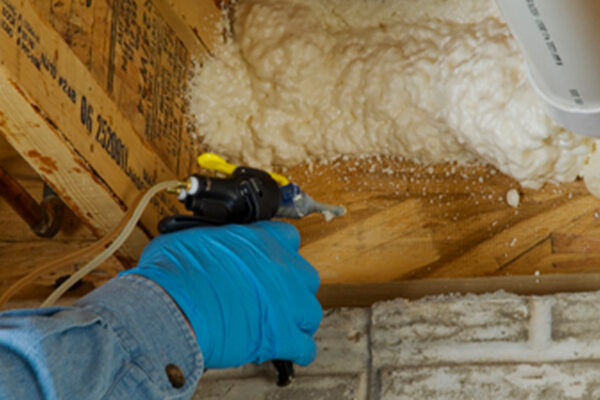
Spray polyurethane foam (SPF) insulation is applied using two main delivery systems: low-pressure spray foam kits/systems and high-pressure systems using large drums for open- or closed-cell foam.
Two-component open-cell foam (ocSPF)
Two-component closed-cell foam (ccSPF)
SPF Kits, Refill Tanks
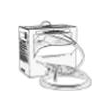 For mid-size projects, there are low-pressure (typically less than 250 psi or pounds per square inch) two component kits. These two component kits can be used to insulate and seal small to medium sized areas around the home, such as attics, crawl spaces, and rim joists. These kits are primarily used by SPF contractors and weatherization professionals. These products require the use of specialized personal protective equipment (PPE). Download general PPE guidelines.
SPF High-Pressure Systems
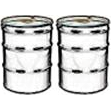 Two component, high-pressure systems (typically 800-1600 psi) use 55-gallon drums and are more often used when insulating larger areas on new construction or for major renovations on walls and roofs. These products are intended for professional use. These products require special training and the use of specialized PPE. Download general PPE guidelines.
Closed-Cell vs Open-Cell Foam Comparison
The following comparison chart can be helpful in explaining or understanding which type of SPF insulation is best suited to a specific application.
| Closed-Cell | Open-Cell |
|---|---|
| Higher R-value (greater than 6.0 per inch) | R-value (approximately 3.5 per inch) |
| High moisture barrier (lower moisture permeability) | Lower moisture barrier (higher moisture permeability) |
| Air barrier | Air barrier at full wall thickness |
| Higher strength and rigidity | Lower strength and rigidity |
| Resists water | Not suggested for applications in direct contact with water |
| Medium density (1.75-2.25 lbs./ft3) | Lower density (0.4-1.2 lbs./ft3) |
| Absorbs sound | Absorbs sound very well |
Insulating Foam Sealant Products
Aerosol cans (typically 12-24 oz.)
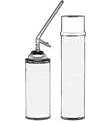 In addition to high-and low-pressure SPF insulation products, a smaller sized insulating foam sealant product is available in a can which is called one component foam. With the two component insulation products, the chemicals that make up the foam are kept separated in different drums or containers until mixed. The one component “foam in a can” product has already been partly mixed and partly reacted. That’s one of the reasons why this product is widely available to homeowners as a do-it-yourself product in home improvement stores. It does not require professional training or sophisticated PPE and respirators to use. One component manufacturers typically recommend that safety glasses or goggles, gloves and full-coverage clothing (e.g., long sleeves) be worn when applying one component foam in a can. It is important to use a sufficiently ventilated area and avoid breathing vapors until the foam has hardened. (See guidance on using insulating foam sealant for more information.)
These portable, one component foam sealant products are used by do-it-yourselfers (and professionals) for small “bead-type” applications, such as sealing windows, doors and filling small gaps and cracks. They are typically dispensed using a straw or small dispensing gun. These products have specific safety information on the label that should be carefully followed.